
2025 Majik MM LP12 vs early mid-spec LP12

We’ve undertaken countless LP12 upgrades over the years, and as a result of recent work involving Keel & Kore sub-chassis’, Karousel bearings and Lingo 4/Radikal power supplies we found ourselves with the pick of a number of desirable traded-in parts with which to build an upgraded older turntable.
We kept these parts to one side until a suitably early LP12 came in, which happened recently. This example was inherited following the passing of its former owner and it hadn’t been used for some time, so it was in need of some TLC. Specification wise it sported Linn’s Ittok LV II tonearm, an original Linn bearing and a Valhalla power supply, but due to its age these all needed attention: the bearings and bias compensation of the tonearm were suspect, Valhalla power supplies are generally past their use by dates now with failures already having happened or being inevitable if not, and in this case the bearing was completely dry.
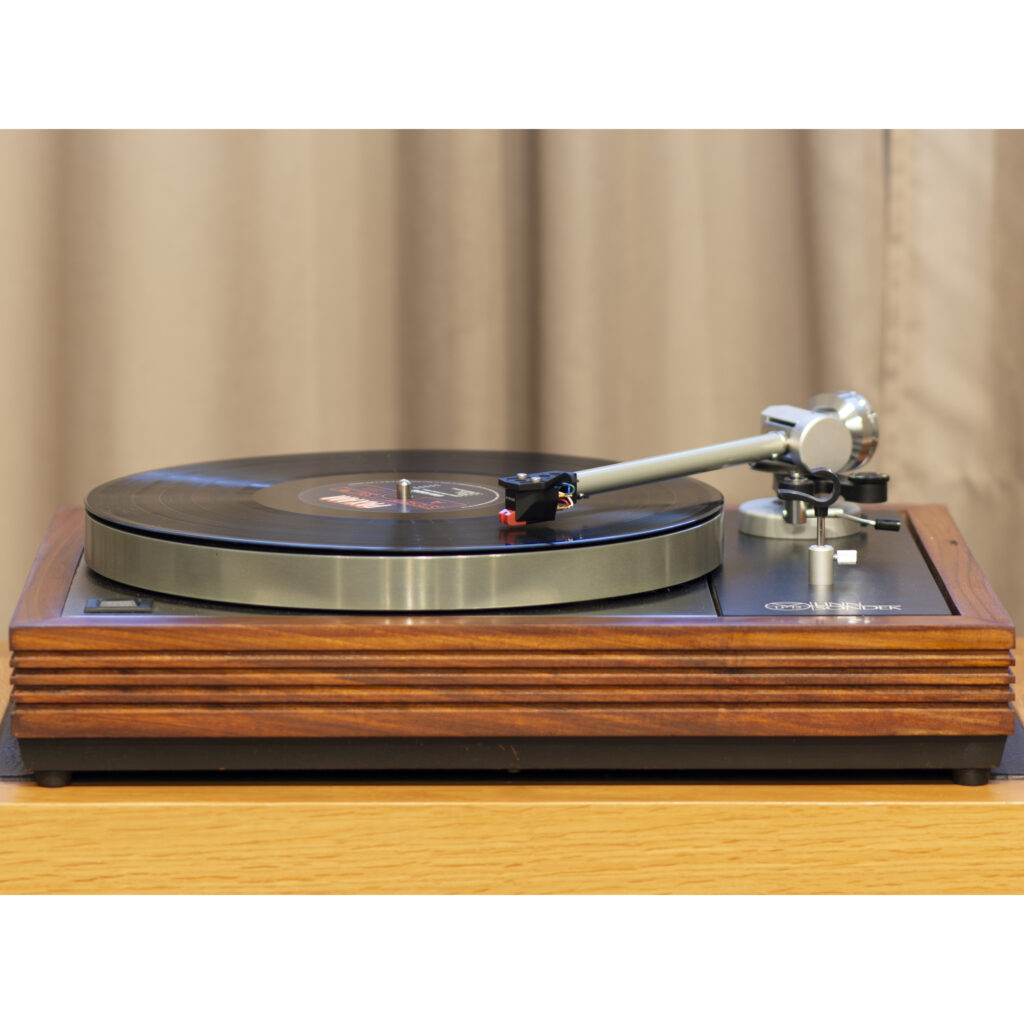
We sent the tonearm to Paul Bird at The HiFi Gallery for a new set of bearings, a rewire and a general overhaul, effectively coming back as close to a new Ittok as you can get. While it was away, we tidied up and reoiled the early, fluted ‘afromosia’ plinth, installing a similarly early but clean stainless steel top plate, a new motor and a new metal base to replace the original hardboard one. Finishing touches to the appearance included a new lid and hinges.
Amongst our traded-in components we had a Cirkus bearing that had been part exchanged against a new Karousel, and a Lingo 1 that had been traded-in against upgrade to a Lingo 4. We replaced the dry original bearing with the Cirkus along with cleaner inner and outer platters and we replaced the Valhalla with the Lingo 1. We also installed a bonded steel sub-chassis (two layers at the bearing hole) and gave the deck a full service including new springs, grommets, locknuts, ‘P’ clip, etc., creating a very capable two-speed LP12.
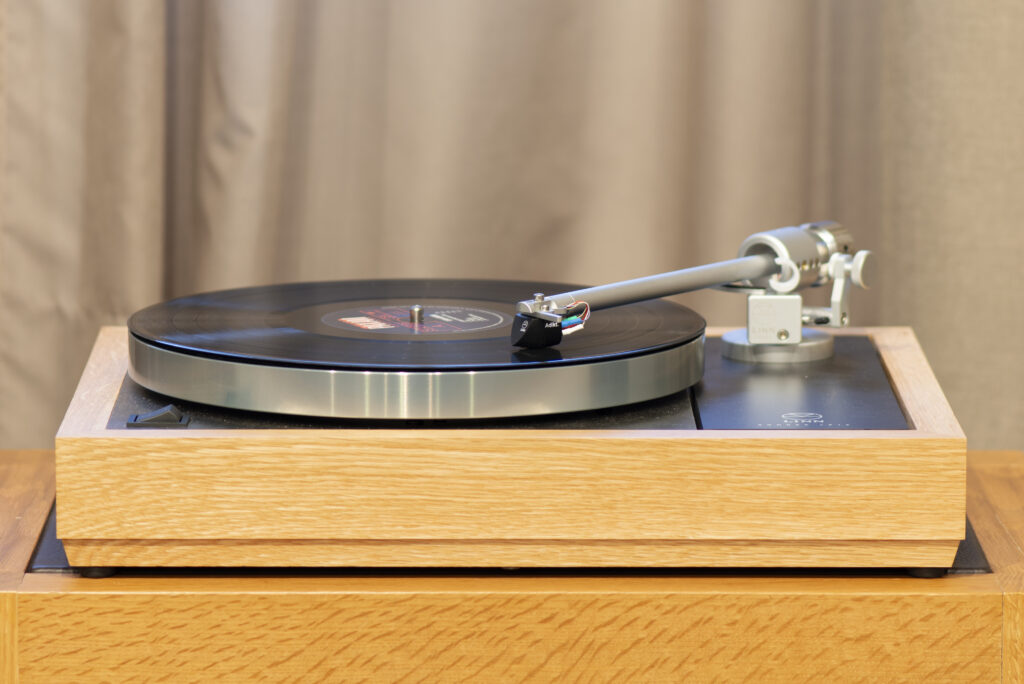
Part way through the build, a customer was in touch to discuss a possible purchase of an ex-demonstration Majik LP12 we’d had listed, but this had recently been sold. We mentioned the restored LP12 and he asked if he could audition it against a new Linn Majik LP12 with a moving magnet cartridge, as he’d be using the internal phono stage of his Naim SuperNait3 initially.
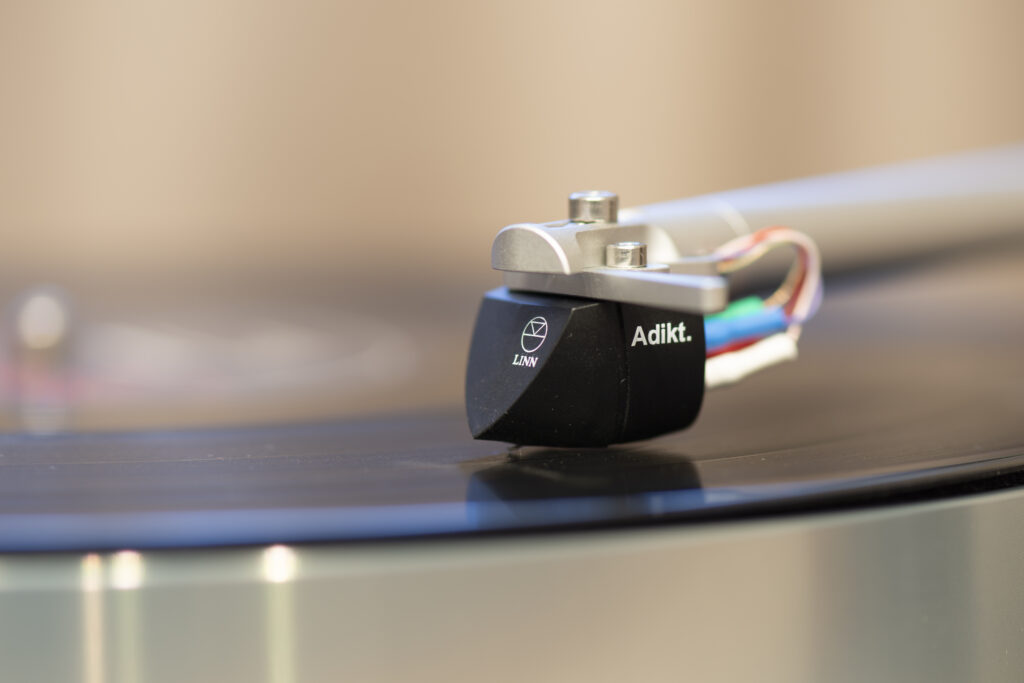
A standard Majik LP12 MM is supplied with Linn’s Adikt moving-magnet cartridge, and it features their Krane tonearm, Majik sub-chassis, internal single-speed Majik power supply and the Karousel main bearing.
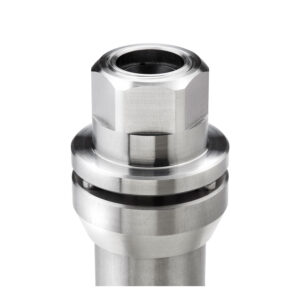
So, on the one hand, we had an older LP12 with a classic, well-regarded and renovated Ittok tonearm, a less-good bearing and sub chassis, but uprated with a superior external power supply, which would provide lower levels of vibration. Also, there’s a bang up-to-date Majik LP12 featuring a box-construction sub-chassis and a Karousel main bearing offering greater rigidity and a lower noise floor, but with a simpler, mains derived internal single-speed power supply, and a modern but entry-level Krane tonearm.
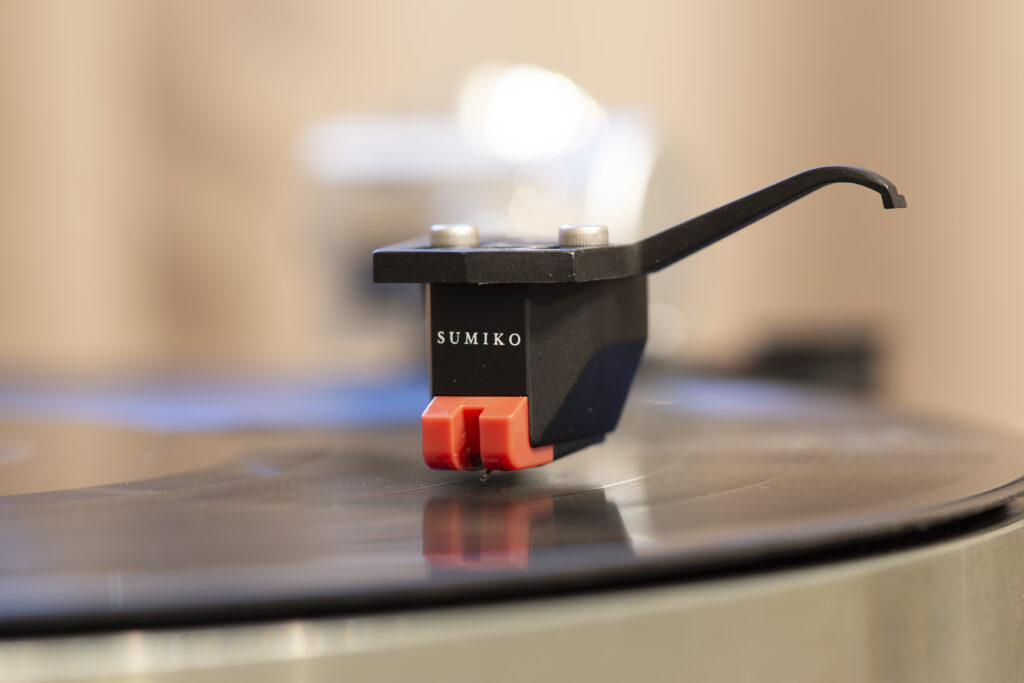
This was an ideal opportunity to see how our restored LP12 would compare with a new example, so as our demonstration Linn Adikt MM cartridge was fitted to the Majik LP12 we installed a Sumiko Moonstone into the Ittok LV II for MM comparison purposes. There’s limited choice for MM cartridges that correctly fit the Ittok, so we chose the Sumiko as it’s an excellent performer, but more importantly, it can be correctly aligned in the Ittok unlike others that can’t be properly aligned due to their cartridge bodies being too long for the Ittok’s head shell.
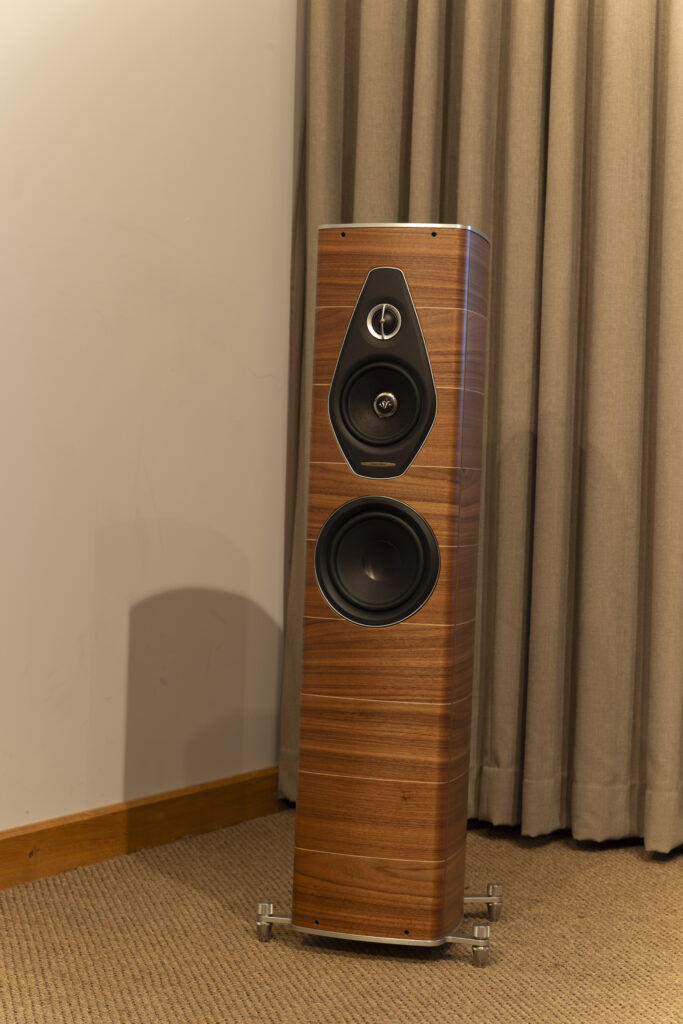
As the customer that had shown interest in these turntables had a Naim SuperNait3 we coupled both to our demonstrator and a pair of Sonus faber’s beautiful Olympica Nova II loudspeakers in preparation for his comparison.
After our preliminary sound check initial observations were that the new Majik was crisp and clear where restored LP12 sounded richer and warmer, and this continued during further listening.
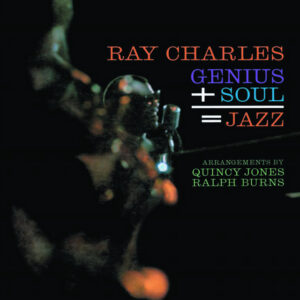
Playing Ray Charles’ ‘From the Heart’ and ‘Moanin’ (featuring The Bassie band and arranged by Quincy Jones), the Majik had a clear and open presentation providing incisive horns and cymbals, but by comparison the restored LP12 appeared richer with a smoother presentation, which was kinder to this old recording. The Adikt does have a crisp, clear balance to it, so some of this tonality was undoubtedly contributed to by the cartridge, however, there was clearly more going on with the younger model.
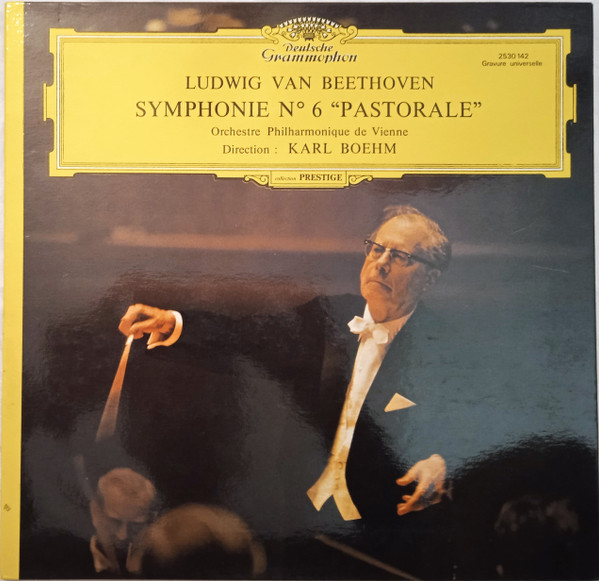
Swapping styles to classical, and the first movement from Beethoven’s Symphony No 6 (Pastoral), conducted by Karl Bohm (Vienna Philharmonic, Deutsche Grammophon), the early LP12 had a generous warmth which bolstered the double basses and enriched the acoustics to provide essential underpinning to this piece, and this characteristic suited this music very well indeed. Rather unexpectedly the smoother treble did not prevent the horns and cymbals from projecting well and sounding wholly believable within an all-enveloping sound stage. The Majik, by contrast, sounded lighter and airier giving a more open and clearer view of the orchestra, but with less warmth from the double basses giving a sense they had receded, while the wind and stringed instruments had been brought forwards. This represented a shift in the overall balance with both models having their own strengths, so which is ‘better’ would be influenced by the partnering equipment and the preference of the listener.
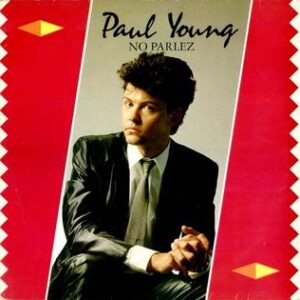
Digging through our extensive and eclectic library of vinyl, Paul Young’s ‘Love of the Common People’ came to hand (yes, really!), and this sounded crisp and clear via the Majik, although the backing vocals could sound a touch coarse and edgy at times. The bass line, which is normally strong, was fleet and not particularly deep or powerful when compared with the older example.
By contrast, the restored LP12 offered up generous levels of bass which powered this classic electro-pop piece along very nicely indeed, while offering sufficient clarity through the mid and treble without highlighting or exaggerating the energetic higher registers, making this a more listenable experience. There was something intangible about the performance of the early LP12 – not the most detailed delivery, but musically very satisfying.
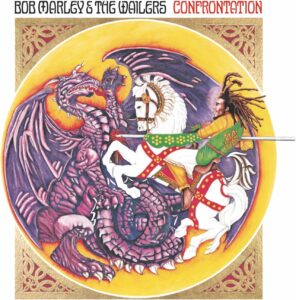
Our final extract was Bob Marley’s Buffalo Soldier from the posthumous album ‘Confrontation’. The Majik brought out the vocals of this recording with clarity and the bass was delivered with precision and without any lack of solidity. By contrast, the re-built LP12 provided a stronger but more languid bass line and set the vocals slightly further back. The bass was certainly slower and less tight than it was on the Majik but it rolled along very convincingly, leaving us undecided as to which we preferred.
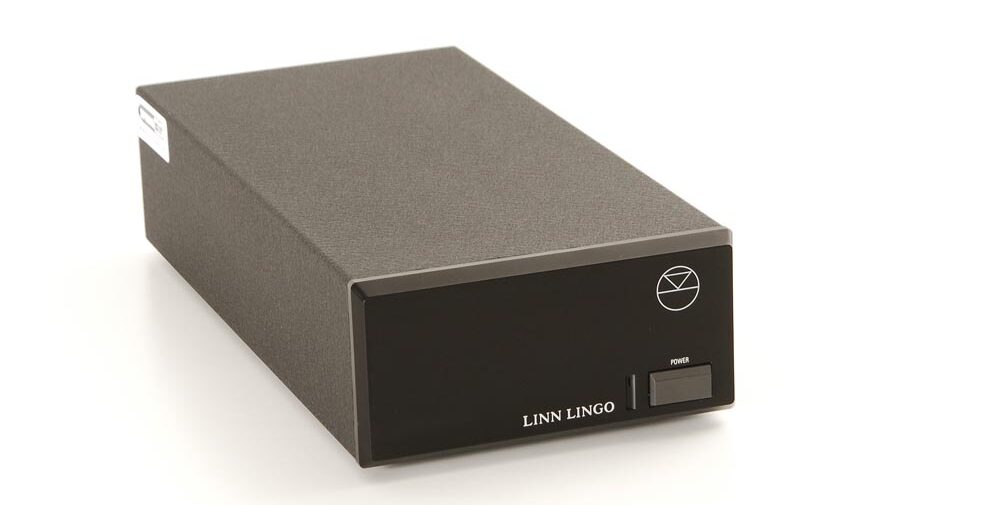
We suspect the Lingo’s purer motor voltage was offsetting losses due to the old bearing and more flexible sub chassis, while the Ittok LV II, though old, with its brand-new bearings and internal wiring was giving the Krane a very good run for its money.
All of this confirms what we already knew: there is so much life left in older LP12s making them well worth upgrading, and older upgrades can yield significant improvements even if they aren’t to the most recent specification.
It seems both turntables have much to offer in different ways, although in this exercise our restored offering seemed generally easier on the ear, whereas the Majik LP12 was more ‘open’ and really shone with good pressings, but it was less forgiving of brash recordings.
We’ve generally found earlier LP12s to have a warmer balance than more recent examples and this certainly holds some appeal even today (nostalgia?), but there’s no doubt newer examples offer improved precision, resolution and accuracy, although which is ‘better’ will come down to personal taste and system matching.
If the earlier LP12 isn’t purchased by the customer that’s making the comparison we plan to further investigate the differences between the turntables by using a superior cartridge in both. This will most likely be Linn’s Koil MC, as this offers significant improvements over the Adikt in the Majik MM for not a lot more outlay, and as the Majik LP12 can be specified with the Koil we feel this cartridge to be more in-line with the ability of the rest of the deck, however, MC cartridges weren’t relevant for this particular customer’s comparison.
One final note on this topic: to date, we haven’t had an LP12 through our workshop that we’ve been unable to bring back to full working order, with typical services costing between £150 and £250. Also, even the most unloved examples of this iconic turntable have more value than you might expect, so if you have one you no longer use please get in touch, as we’ll be able to bring it back to a useable/saleable condition, or if required, we could even purchase it from you.
Post Script:
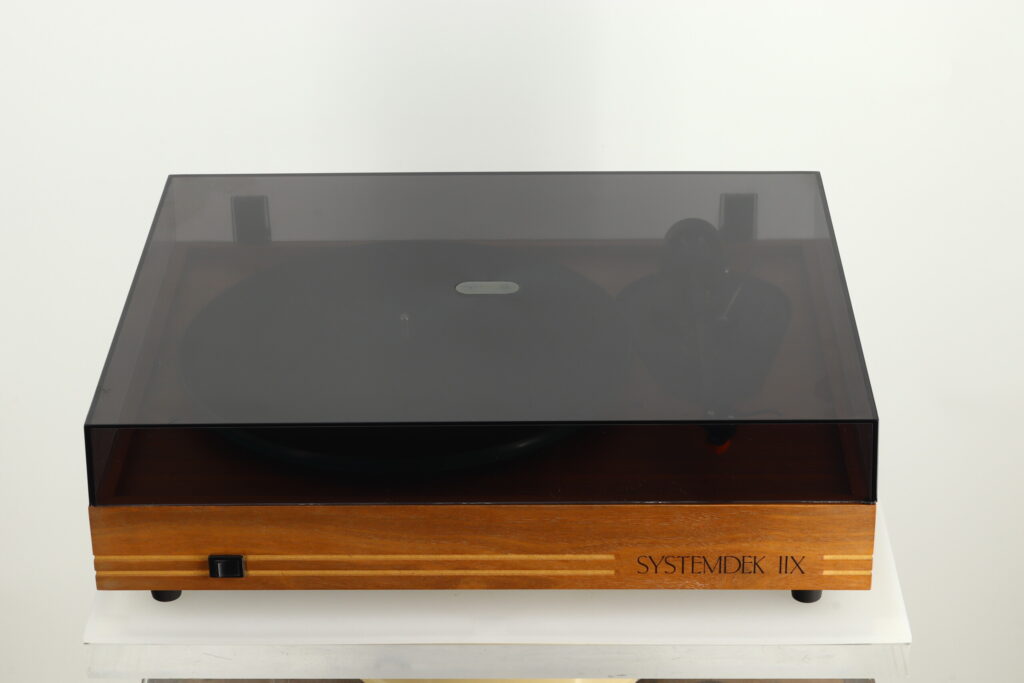
Our customer brought along his Systemdek IIX turntable (with Linn Basik arm and AT530EN cartridge), plus a selection of vinyl for auditioning, (including Pink Floyd Live at Ponpei, The Who, and Kate Bush). His overriding impression was that the new Majik was the superior turntable for him with its superior bass definition, openness and detail. The soundstage opened out, revealing more of the musical performance on his discs, (for example the clearer and more realistic portrayal of Keith Moon’s drumming).
He had complained about harshness with his Systemdek turntable playing one Kate Bush track in particular, so we thought maybe the re built LP12 with Sumiko might fit the bill, but the Majik sailed through this recording without issues, while also providing greater insight into the recording, and we had to agree.
