
Mid-priced streaming pre-amp comparison
Mid-priced streaming pre-amp comparison

With a customer booked in to compare similarly priced and specified streaming DAC/preamps, we decided to hook a selection up to the supremely detailed and articulate ATC SCM50A active speakers via their balanced XLR inputs, as all of the streaming pre-amplifiers were provided with balanced output sockets making comparisons nice and easy. Network inputs were taken care of by means of an English Electric 8switch network switch, which allowed the players to share the same wired network simultaneously (using identical cables), in addition to cleaning up unwanted noise which may find its way into the network.
This set-up showcased just how simple and minimal such a system can be, while at the same time delivering a very, very high standard of sound reproduction. In contrast to basic streamers, in addition to very well implemented analogue volume controls all of the models here have analogue and digital inputs along with phono stages so it’s very easy to connect additional sources such as a CD player/transport utilising the onboard DAC, a TV and a turntable (both MM and MC cartridges are catered for by the Linn and Moon). In some cases, there’s also HDMI eARc for connection with suitable TVs.
For our comparisons we settled on two very different pieces of music: Van Morrison’s atmospheric and evocative Spanish Steps from his album Poets Champion Compose, and the rousing Act III scene 1 Prelude from Wagner’s Die Walkure (Ride of the Valkyries) by the Halle Orchestra, conducted by Sir Mark Elder.
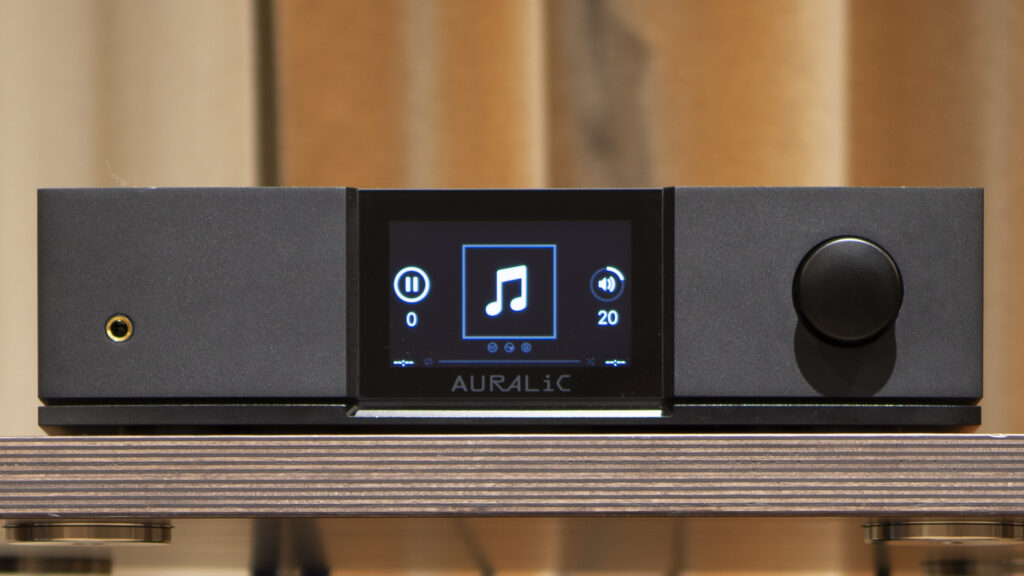
AURALiC Altair G2.2
We kicked off comparisons with the AURALiC Altair G2.2 playing Van Morrison, and we were met with a beautifully spacious sound, with lush reverb around Van’s sax, which was rich and reedy, but without tipping over into harmonic excess. Cymbals shimmered beautifully and the piano reonated believably. All-in-all, this streamer revealed plenty of detail and atmosphere.
With the Wagner, we heard a beautifully clear, wide and open depiction of the orchestra, with a naturalistic balance, a good level of top-end detail, and full-fat vocals which were projected well, and without hint of brightness or thinness, that the ultra-revealing ATCs would have shown without mercy.
Key features:
Direct analogue input that’s not digitised
MM phono stage
High quality headphone amplifier
eARC HDMI connection
In-house control app and Roon Ready
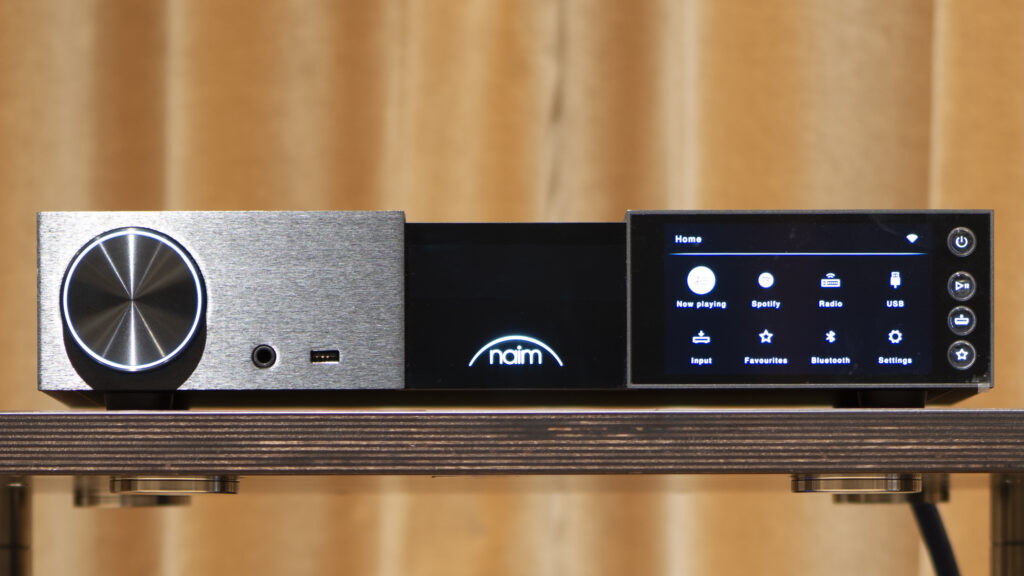
Naim NSC222
Next up was the Naim NSC 222 from their New Classic series. Here we were presented with a more muscular and weighty depiction of the orchestra, with menacing double basses and brassy horns being brought to the fore – not quite as transparent or expansive sounding as the AURALiC, but appealing in its own way.
Likewise, Spanish Steps was not as atmospheric, airy or ‘ambient’ as it was with the Altair G2.2. Van’s Sax was a touch ‘reedier’, and cymbals slightly fizzier, but the piano had a greater sense of tonal depth.
Naim always advocate the importance of the power supply with their source components and pre-amplifiers, and the NSC222 is no exception, allowing the addition of their NPX300 at a later date. This really does make a startling improvement to the NSC222 which effectively benefits twice as it includes both a streamer and a pre-amplifier, more of which can be read in a previous post of ours.
Key features:
Multiple analogue and digital inputs
MM phono stage
High quality headphone amplifier
eARC HDMI connection
In-house control app and Roon Ready
Optional upgrade power supply NPX300
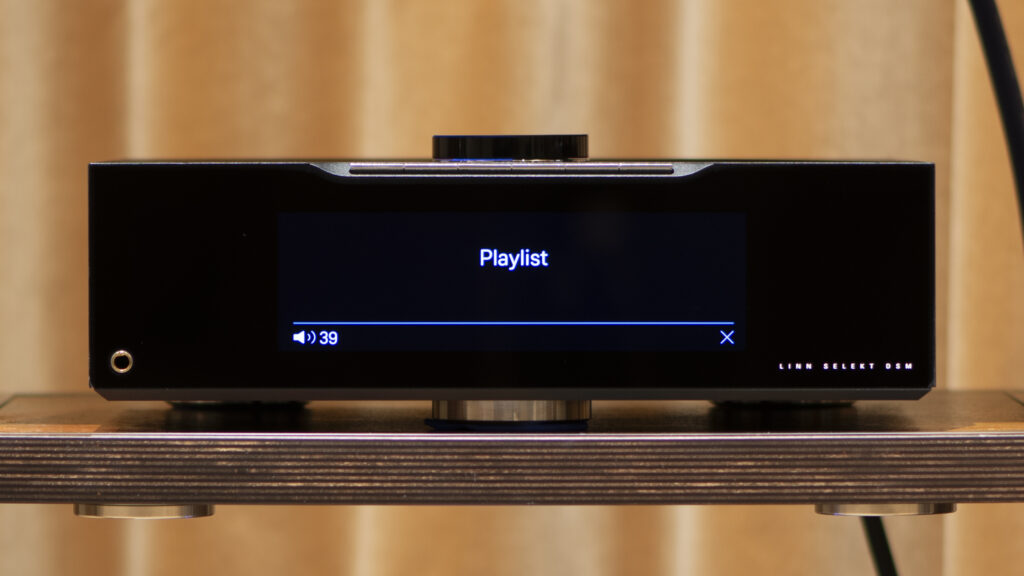
Linn Selekt DSM
After the Naim, we moved to Linn’s Selekt DSM. The example we used was the base model of the highly configurable Selekt DSM series, the Classic Hub, comprising of Linn’s ‘Katalyst’ DAC architecture (the second DAC out of a total of four options) and preamp outputs only (internal power amp modules are available for this model to make it an all-in-one for use with passive loudspeakers).
Playing Spanish Steps, the Selekt DSM had a more organic feel than the Naim, with greater overall clarity and gave a sweeter tone to Van’s Sax. In fact, we thought the sound of the Linn was the most neutral: not quite as transparent as AURALiC’s Altair G2.2 and marginally thinner tonally, and not as weighty as Naim’s NSC222, but a touch more detailed.
Playing Die Walkure, we liked the way the Selekt DSM allowed us to sense the way the string sections answered each other, side to side, creating a sweeping ‘wave-like’ effect to this piece. We also enjoyed being able to hear clearly the brassy sonority of the horns. It was excellent, though maybe not quite so texturally refined as the AURALiC. Also, vocals from the Selekt DSM were set slightly back compared to the others, but they were still very articulate and agreeable.
As mentioned: the Selekt DSM series has two chassis options: the Classic Hub tested here and the machined aluminium Edition Hub, and four DAC options: standard or Katalyst, then the in-house Stereo Organik or Dual Mono Organik. Any of the DAC options can be upgraded to at a later date by way of a simple dealer-fit of the upgrade version, which is a really nice touch.
Key features:
Multiple analogue and digital inputs
MM & MC phono stage
Headphone amplifier
ARC HDMI connection
In-house control app and Roon Ready
Various retrofittable DAC upgrade options
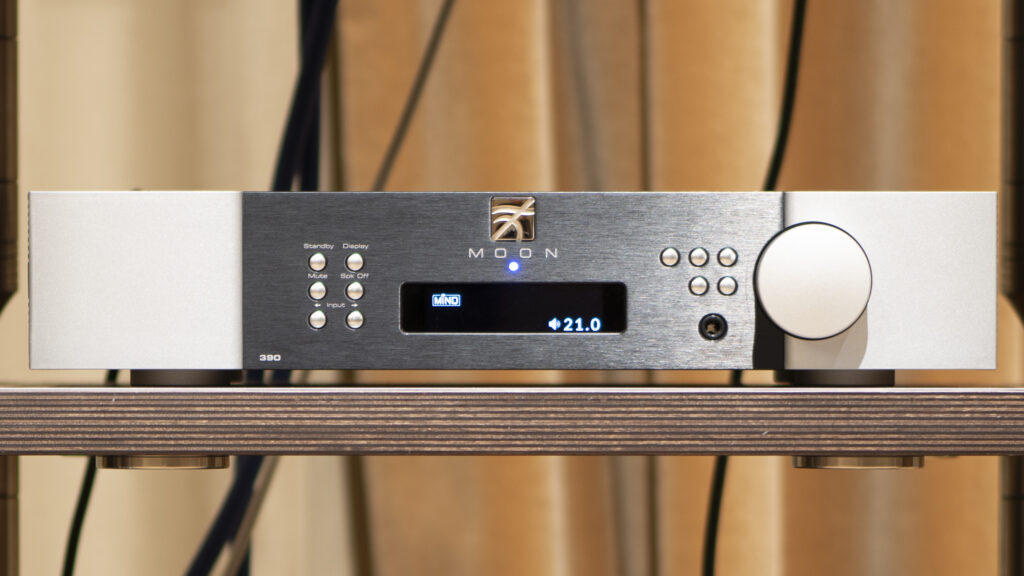
Moon 390
Finally, came the Moon 390D. Playing Die Walkure; we were presented with a coherent, clear, wide and deep sound stage. It was similar to that heard by the AuraLic, only slightly richer in tonality, seeming to ‘breathe’ more freely, and with a finer sense of textures. Although the extreme treble was less open and detailed, the overall sound seemed slightly more natural.
Spanish Steps via the Moon 390D sounded rich and spacious, with a lovely, ‘fruity’ saxophone and a sonorous piano, all reproduced with a musically-free sounding translucency.
Key features:
Multiple analogue and digital inputs
Configurable MM & MC phono stage
High quality headphone amplifier
Optional 4in 1out HDMI board
In-house control app and Roon Ready
Conclusion
Needless to say, all performed faultlessly and to a high standard in our opinion. In this system at least, the Moon and AURALiC seemed to offer a little more by way of transparency and air, and they were also the most alike, although the muscularity of the Naim and more neutral balance of the Linn will suit certain systems better than others.
So in summary, here we have four extremely versatile streaming preamps at roughly the same price point, with differing characteristics and strengths. Each holds it’s own appeal, but as for which is best, that can only be confirmed by the listener through audition.
This is just a small selection of options from our extensive range of music streamers which range from £549 to £35,000: click the link below to see our full range:
